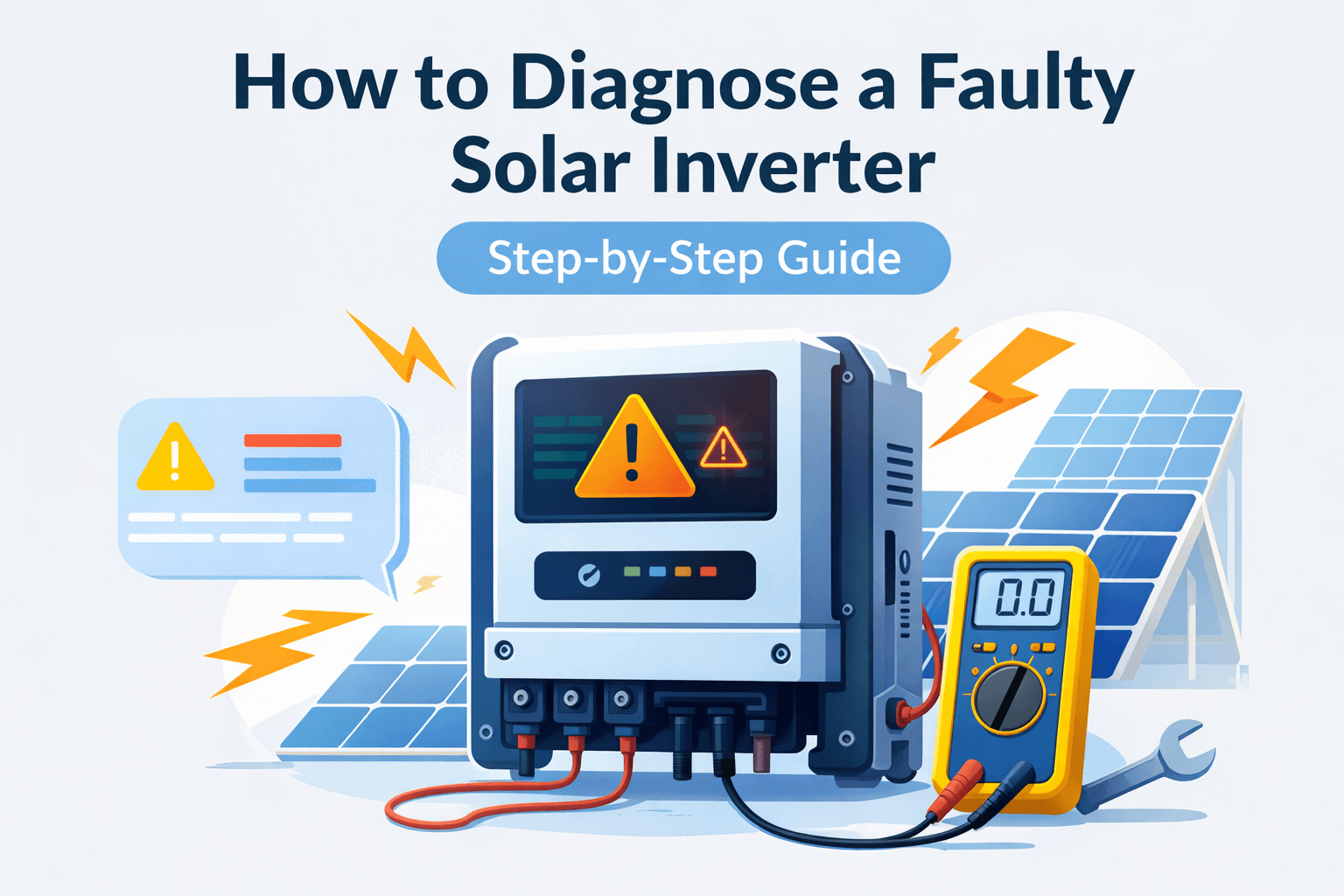
How to Diagnose a Faulty Solar Inverter – Common Problems Explained
Solar inverters are one of the most important parts of any solar power system. They convert the DC electricity generated by solar panels into usable AC electricity for your home or business.
When an inverter develops a fault, the entire system may stop producing power or operate inefficiently. Fortunately, many inverter issues can be identified with a few simple checks before deciding whether repair or replacement is necessary.
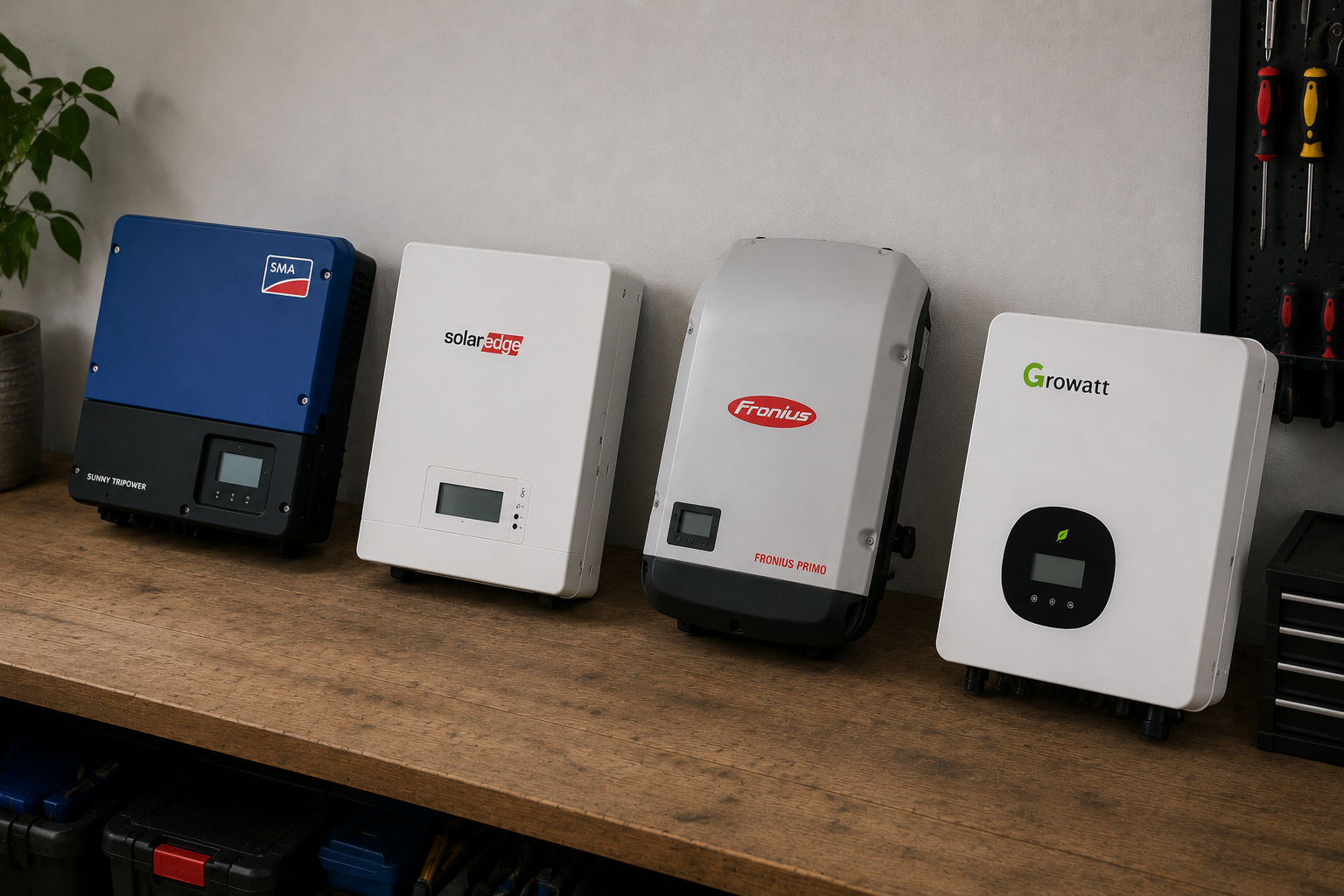
This guide explains some of the most common symptoms of inverter faults and how to diagnose them safely. If you're looking for replacement equipment, you can browse our available solar inverters which are tested and ready for reuse.
1. Check for Error Messages or Warning Lights
Most modern solar inverters display error codes or warning indicators when something is wrong.
- Error codes on the display screen
- Flashing warning lights
- Alerts through monitoring apps or monitoring portals
Start by checking the inverter’s display and looking up the code in the manufacturer’s manual. Many faults are related to grid voltage issues, internal temperature warnings, or communication problems.
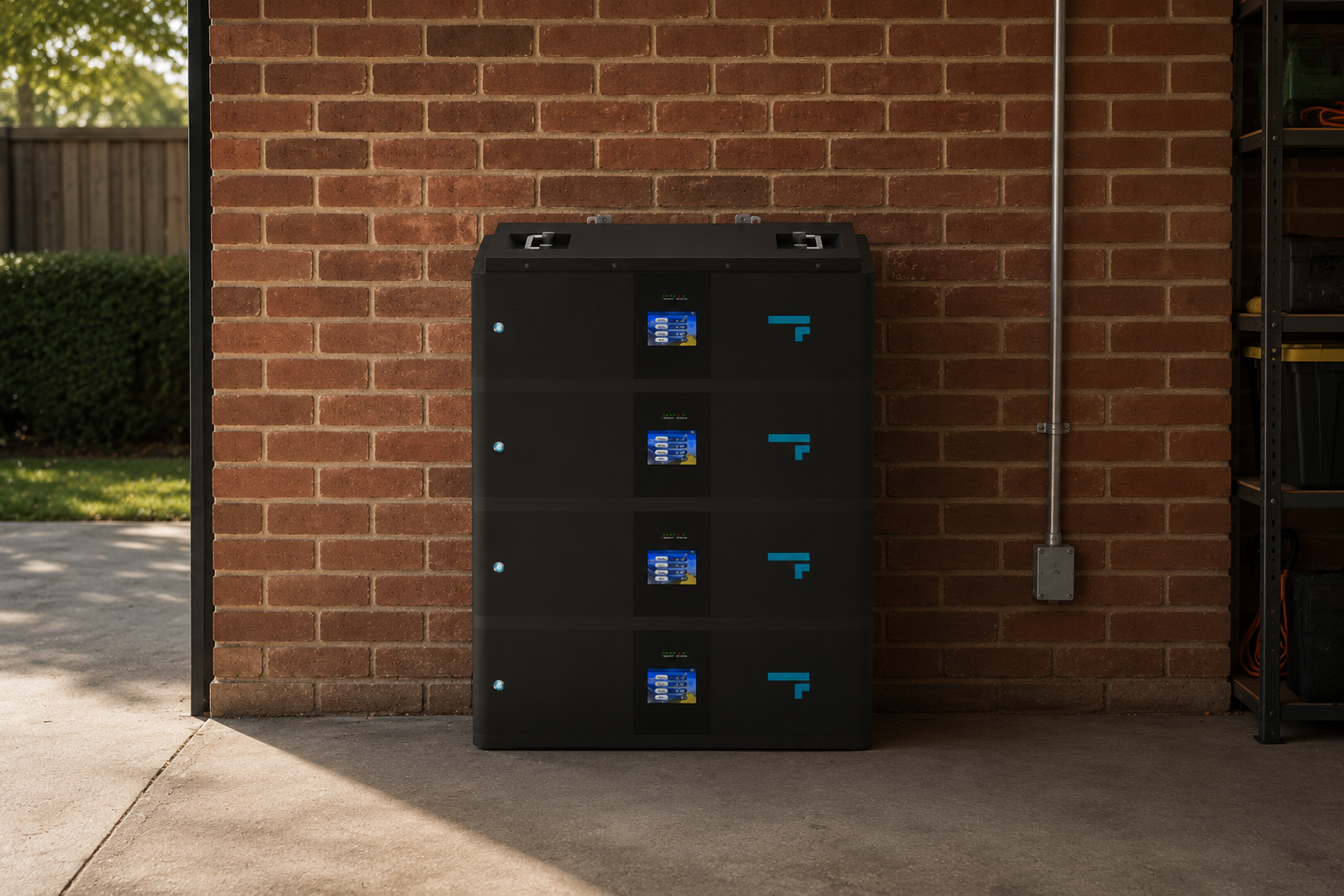
If you regularly work with solar systems, it can also help to understand inverter and battery compatibility, as incorrect configurations can sometimes trigger inverter warnings.
2. Confirm the Inverter Is Receiving DC Power
If the inverter shows no signs of life, the issue may be with the DC input from the solar panels rather than the inverter itself.
- DC isolator switches are turned on
- DC cables are securely connected
- The solar array is producing voltage during daylight
If the inverter is not receiving sufficient DC voltage from the panels, it will not start up or generate power.
3. Check Grid Connection
Grid-tied solar inverters must detect a stable electrical grid before they begin exporting power.
If there is a grid fault, the inverter may shut down automatically. Possible causes include:
- Grid voltage outside the acceptable range
- Frequency instability
- Local electrical faults or outages
In many cases the inverter will restart automatically once grid conditions return to normal.
4. Look for Signs of Overheating
Solar inverters generate heat during operation and rely on proper cooling to maintain safe temperatures.
Common overheating causes include:
- Blocked ventilation vents
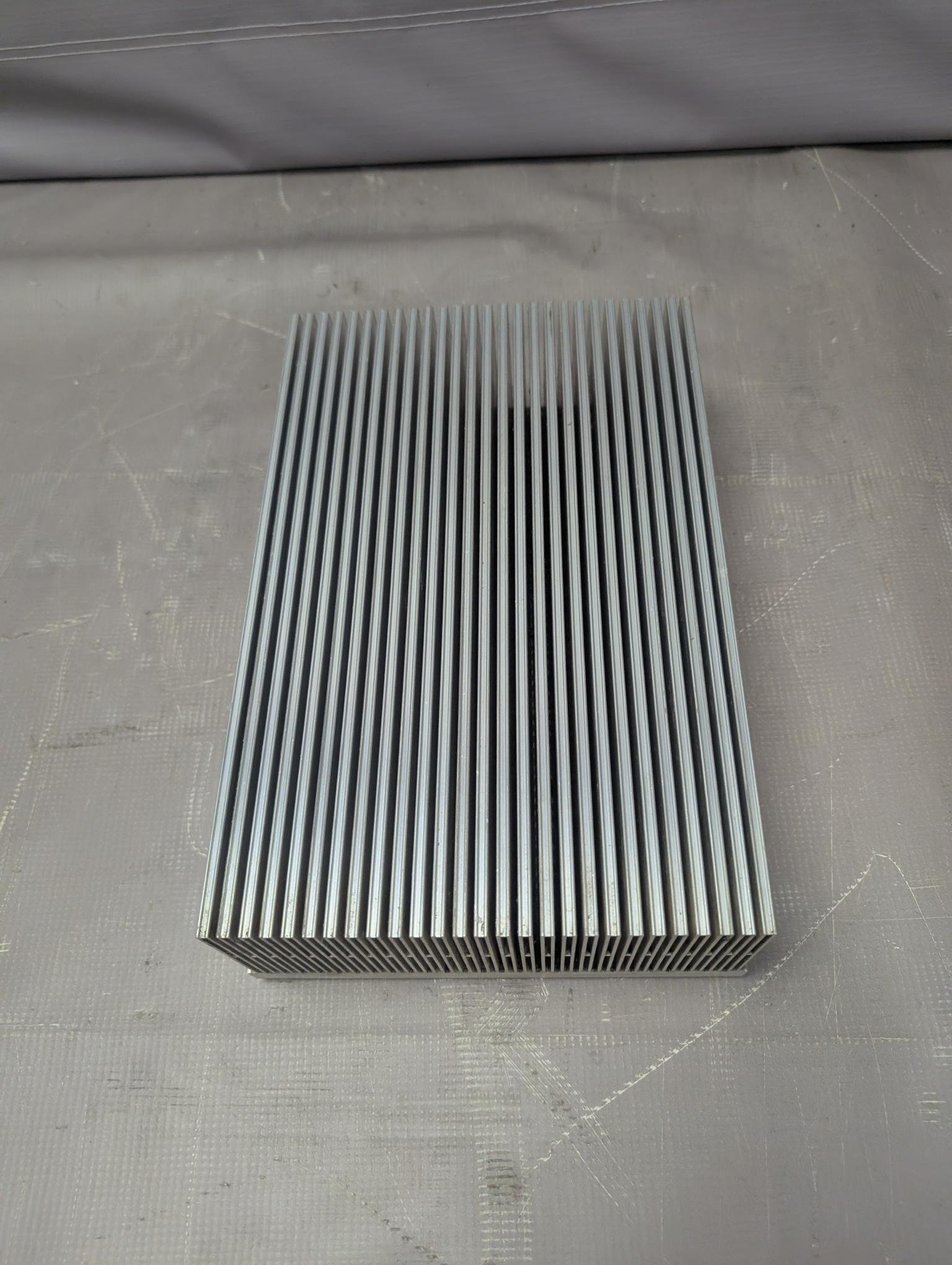
- Dust buildup inside cooling fins
- Failed cooling fans
- Poor installation location (such as direct sunlight)
Overheating can cause the inverter to reduce output or shut down entirely to protect internal components. Ensuring good airflow around the inverter can often solve these problems.
If you are repairing an inverter, replacement cooling components such as aluminium heatsinks can sometimes help restore proper thermal performance.
5. Inspect for Physical Damage or Corrosion
If the inverter has been installed for several years, it is worth inspecting for signs of wear or environmental damage.
- Corrosion around connectors
- Water ingress or moisture
- Burn marks near electrical terminals
- Loose or damaged cables
Any visible damage should be addressed before attempting to restart the system.
6. When Repair May Be Possible
Many inverter issues are repairable, particularly when the problem is related to:
- Cooling fans
- Damaged connectors
- Overheating components
- External wiring
If you want to learn more about diagnosing and repairing inverter problems, see our guide on inverter repairs and fault finding.
7. When Replacement Is the Better Option
Inverters do have a limited lifespan. Most grid-tied units last around 10–15 years depending on usage and environmental conditions.
Replacement may be the better option if:
- The inverter is very old
- Repair costs are high
- Internal components have failed extensively
- Replacement parts are no longer available
Upgrading to a newer unit can also improve efficiency and system monitoring. You can view our current stock of tested solar inverters available for UK and international delivery.
Final Thoughts
Solar inverter faults can often appear more serious than they actually are. Many issues are related to grid conditions, overheating, or simple connection problems.
By checking the basics first—power input, grid connection, cooling, and error codes—you can often identify the cause of the problem before considering more complex repairs or replacement.
Understanding these common issues can help keep a solar system operating efficiently and avoid unnecessary downtime.