Solar Inverter Heatsinks Explained – Why Cooling Is Critical for Inverter Performance
Solar inverters generate significant heat while converting DC electricity from solar panels into usable AC electricity. Managing this heat is essential for maintaining inverter efficiency and preventing internal component failure.
One of the key components responsible for controlling heat inside an inverter is the heatsink. These metal cooling components help transfer heat away from sensitive electronic parts, protecting the inverter and allowing it to operate safely.
If you are working on inverter repairs or refurbishment projects, you can view our available solar inverter heatsinks which are commonly used in renewable energy equipment.
1. What Is a Heatsink?
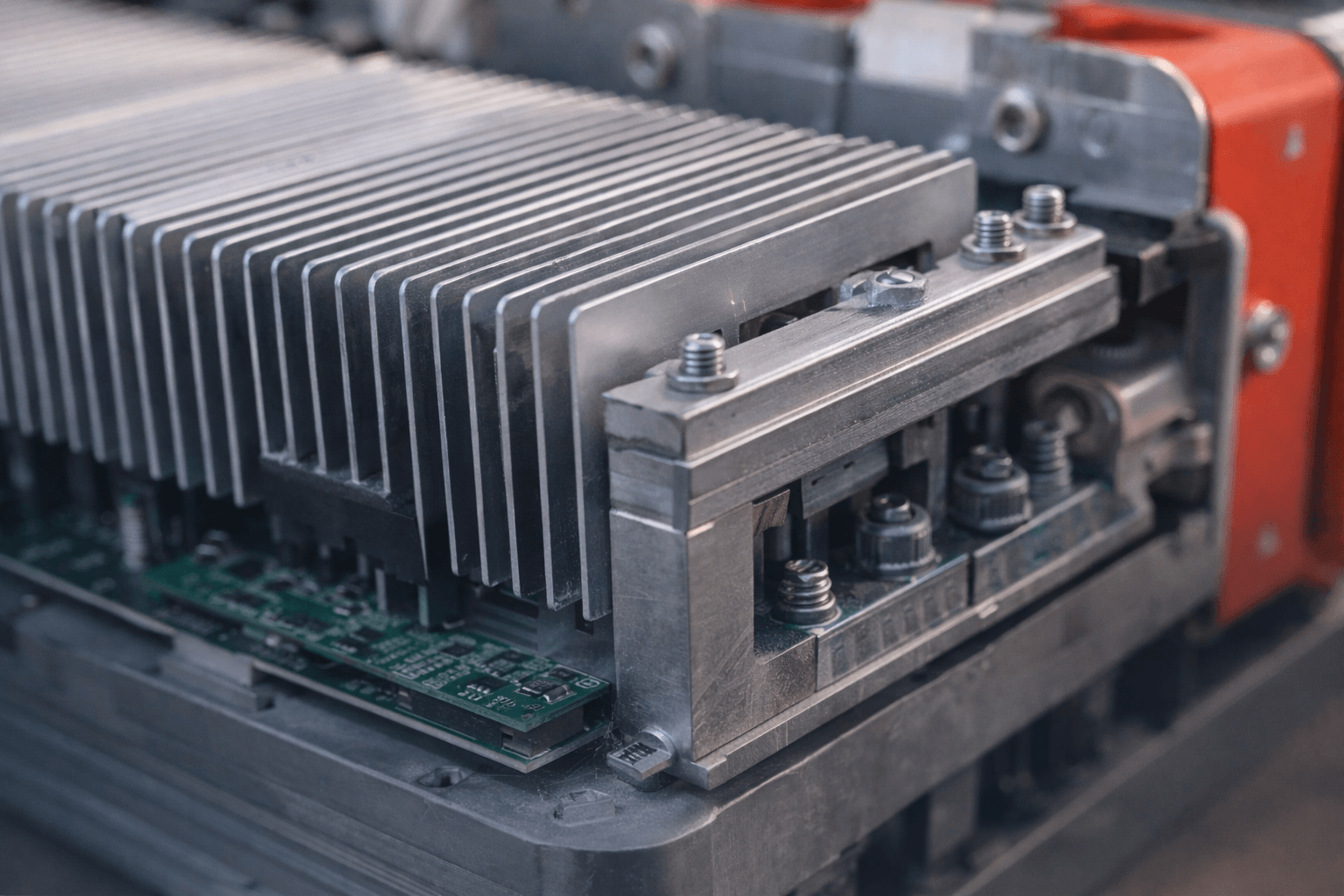
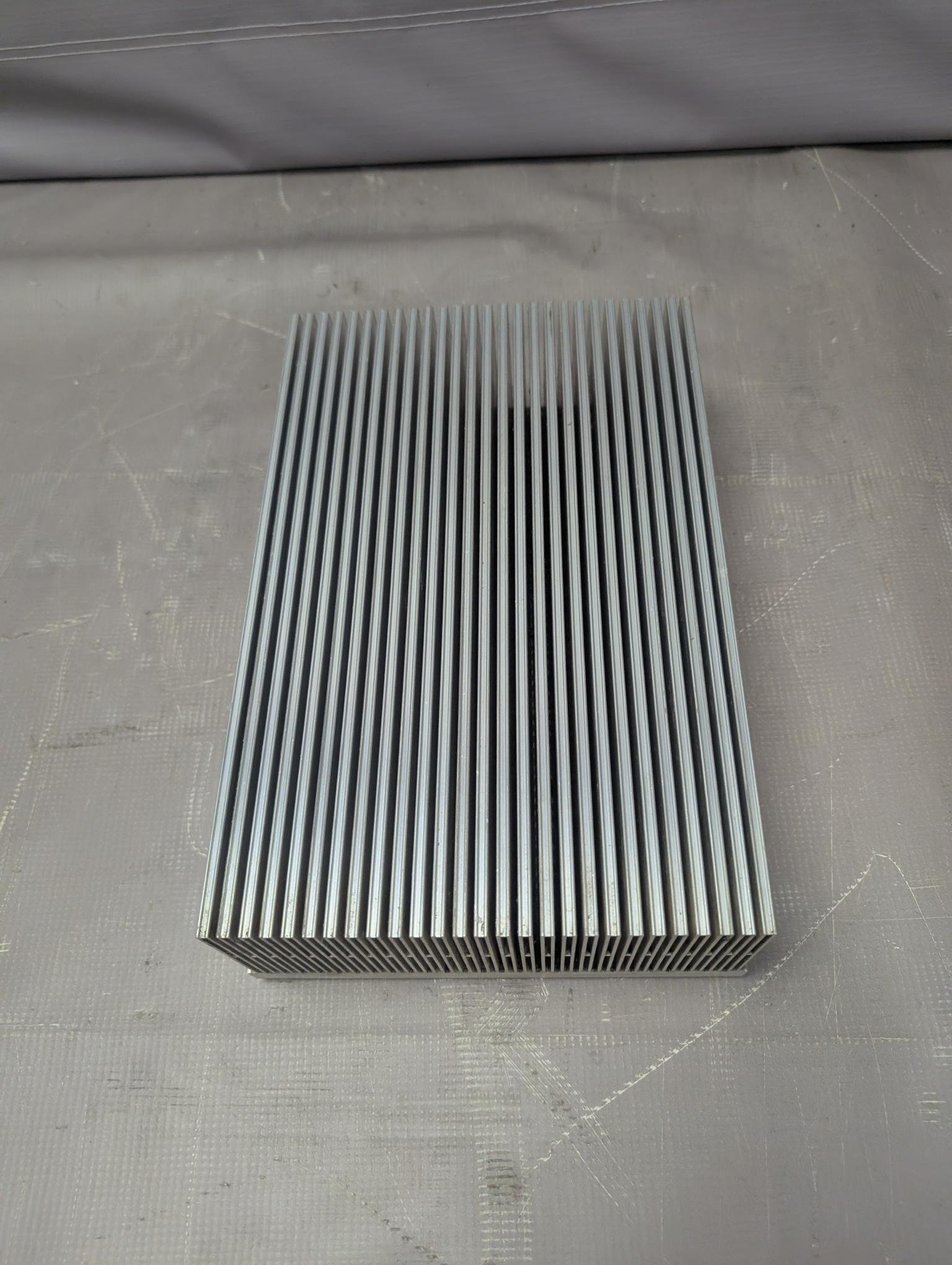
A heatsink is a metal component designed to absorb and disperse heat generated by electronic devices. In solar inverters, heatsinks are typically made from aluminium due to its excellent thermal conductivity and lightweight properties.
The fins and large surface area of a heatsink allow heat to move away from high-power components and dissipate into the surrounding air.
This process helps keep internal temperatures stable during inverter operation.
2. Why Solar Inverters Produce Heat
Solar inverters contain high-power electronics that constantly switch and regulate electricity. During this process, components such as IGBTs, transistors and power modules generate heat.
If this heat is not managed effectively, the inverter may:
- Reduce its output to protect itself
- Display temperature warnings
- Shut down temporarily
- Experience premature component failure
Heatsinks help prevent these issues by transferring heat away from these components and into the surrounding airflow.
3. Where Heatsinks Are Used Inside an Inverter
Heatsinks are usually attached to high-load electronic components inside the inverter. These include:
- IGBT modules
- Power transistors
- Voltage regulators
- Power conversion circuits
Thermal paste or pads are often used between the component and the heatsink to improve heat transfer.
In many designs, heatsinks work together with cooling fans or ventilation systems to maintain proper airflow through the inverter.
4. Signs of Heatsink or Cooling Problems
If a heatsink becomes damaged or cooling performance is reduced, the inverter may begin to show signs of overheating.
Common symptoms include:
- Temperature warnings or fault codes
- Reduced inverter output
- Automatic shutdown during hot weather
- Cooling fans running continuously
These issues can often be traced back to poor ventilation, dust buildup, failed fans, or damaged cooling components.
5. When Heatsinks Need Replacing
Although heatsinks themselves are durable components, they may need replacing in certain repair situations.
This can include:
- Physical damage during previous repairs
- Corrosion or environmental wear
- Improper mounting or missing thermal pads
- Overheating events affecting heat transfer surfaces
When restoring faulty equipment, replacing damaged cooling components can help return the inverter to safe operating conditions.
If you regularly work with inverter repairs, understanding inverter fault finding and repair can also help identify overheating-related issues.
6. Heatsinks in Solar Inverter Repairs
During inverter repairs, technicians often inspect the entire thermal management system to ensure heat is being transferred correctly.
This includes checking:
- Heatsinks
- Cooling fans
- Thermal compound
- Ventilation pathways
Replacing damaged heatsinks or cooling components can improve thermal performance and extend the life of repaired equipment.
7. Finding Replacement Heatsinks
If you are refurbishing or repairing solar equipment, sourcing compatible cooling components can be important.
At South West Renewables we regularly stock inverter components and spare parts used in renewable energy systems.
You can browse our current selection of solar inverter heatsinks and cooling components available for UK delivery.
Final Thoughts
Heatsinks play a critical role in maintaining safe operating temperatures inside solar inverters. By transferring heat away from sensitive electronics, they help improve reliability and prevent overheating problems.
Whether you are repairing an inverter or maintaining renewable energy equipment, ensuring proper cooling performance is essential for long-term system operation.