Rated 'Excellent'

5 out of 5 based on over 4,730 reviews

Inverter & Battery Compatibility

As renewable systems evolve, more homeowners and businesses are upgrading to battery storage. However, inverter and battery compatibility is one of the most overlooked aspects of system performance.
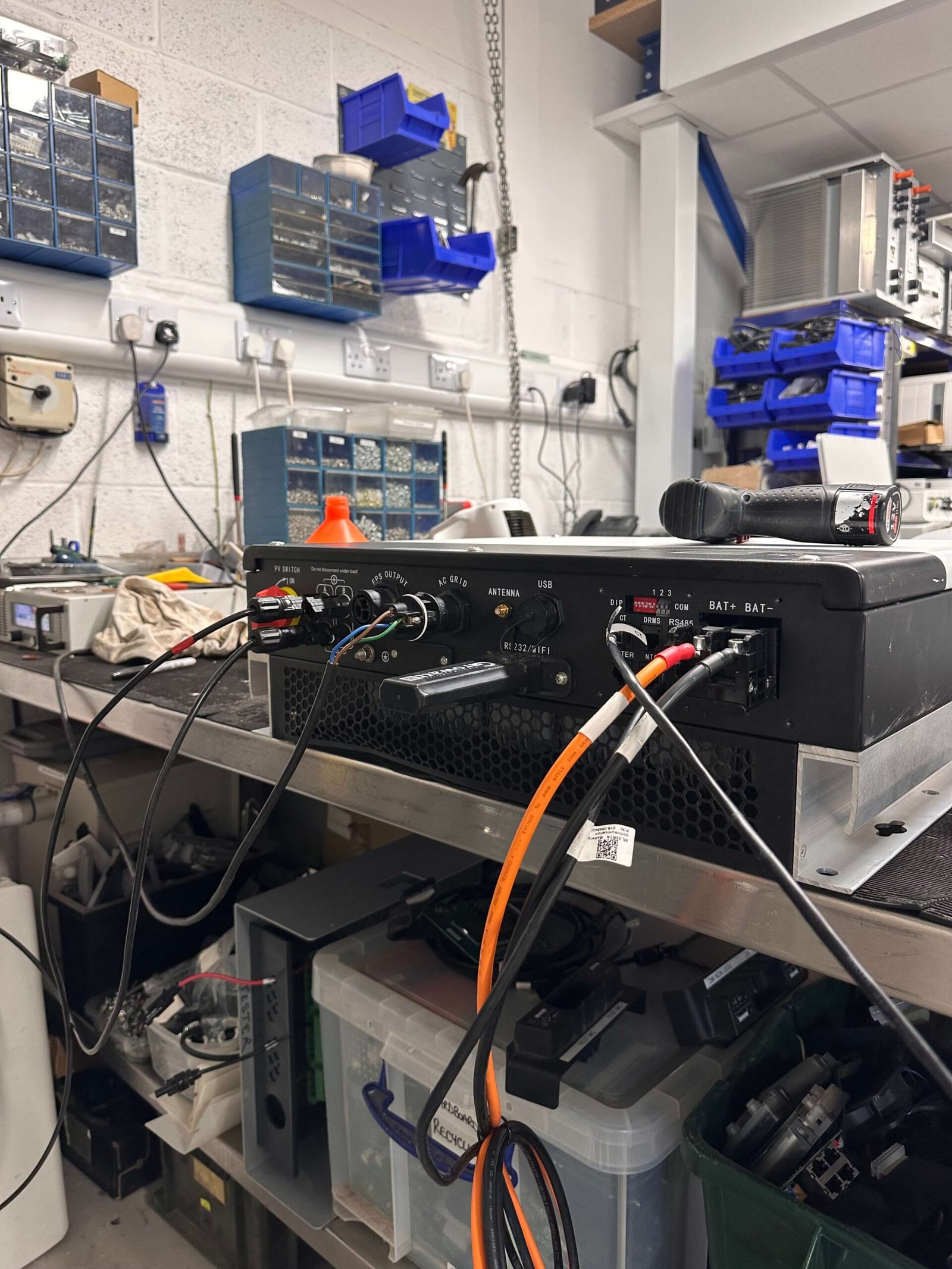
Solar inverter diagnostic testing equipment in use at South West Renewables

Inverter & Battery Compatibility – What You Need to Know

As renewable systems evolve, more homeowners and businesses are upgrading to battery storage. However, inverter and battery compatibility is one of the most overlooked aspects of system performance.

Choosing the wrong combination can result in poor performance, communication faults, or complete system failure.

Why Compatibility Matters

Not all batteries work with all inverters. Even if voltage ratings appear suitable, communication protocols and firmware must align.

Common compatibility issues include:

  • Battery not recognised by inverter

  • Charging/discharging errors

  • Reduced efficiency

  • System instability

  • Firmware conflicts

These problems often appear after upgrades or when mixing brands.

AC-Coupled vs DC-Coupled Systems

Understanding your system type is essential:

  • DC-Coupled Systems – Battery connects directly to the solar inverter.

  • AC-Coupled Systems – Battery uses its own inverter and connects via AC supply.

Each has advantages, but compatibility must be checked carefully before installation.

Common Upgrade Mistakes

We frequently see:

  • Adding batteries to older inverters without checking firmware compatibility

  • Mixing brands without verifying communication standards

  • Installing oversized batteries for inverter capacity

  • Ignoring manufacturer pairing recommendations

A professional compatibility check prevents costly errors.

Before You Upgrade

Before investing in a battery or inverter upgrade, consider:

  • Existing inverter model and age

  • Firmware version

  • Maximum charge/discharge rates

  • Manufacturer compatibility lists

If you’re unsure, seeking advice first can save significant expense and frustration.

Related Posts

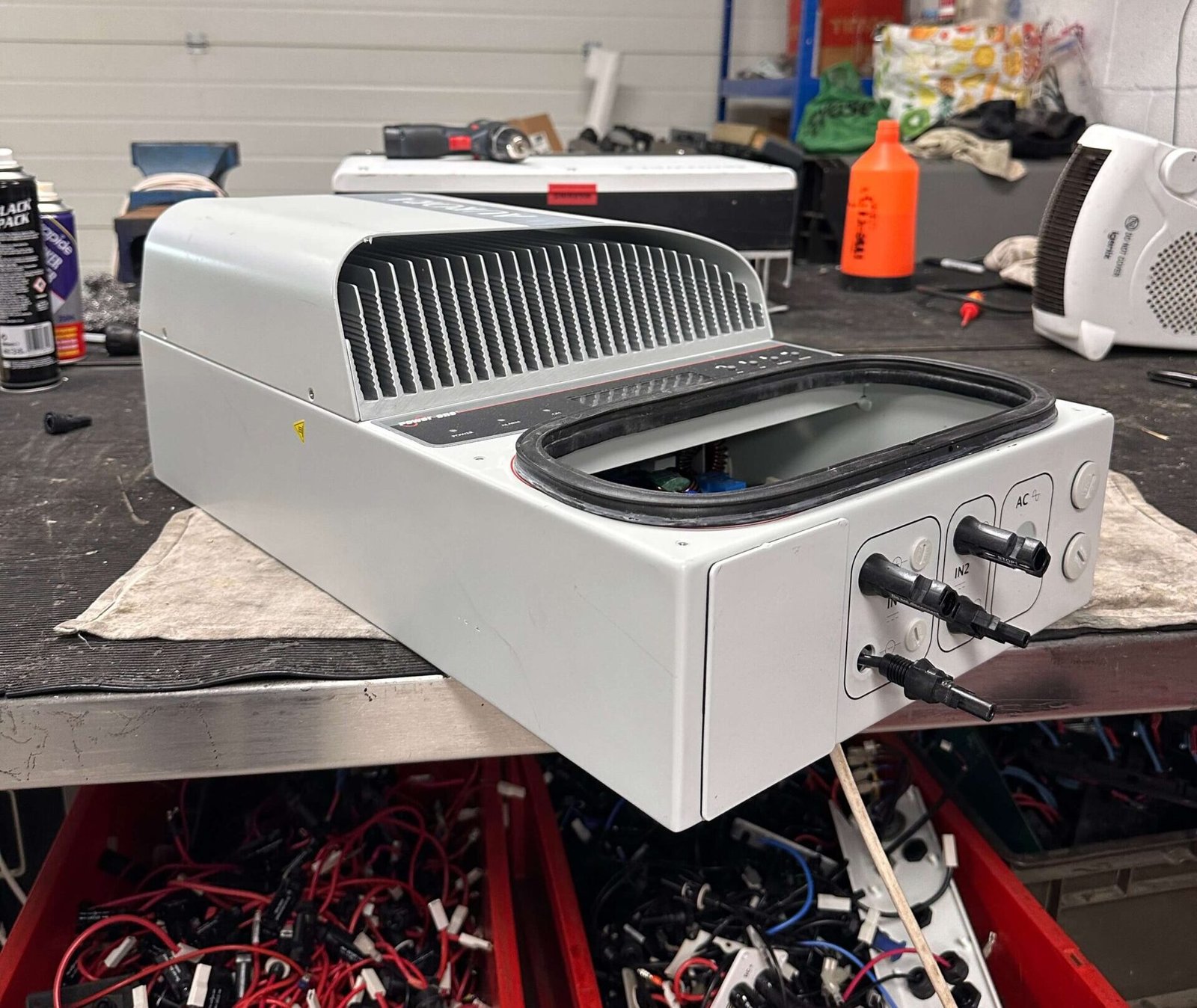
Solar inverter being tested on workbench at South West Renewables workshop

Inverter Repairs & Fault Finding

Renewable energy systems are built to last, but like any technology, faults can occur over time. Whether it’s a solar inverter error, reduced battery performance, or a system that’s stopped working altogether, identifying the problem early can prevent further damage and costly downtime.

Read More »